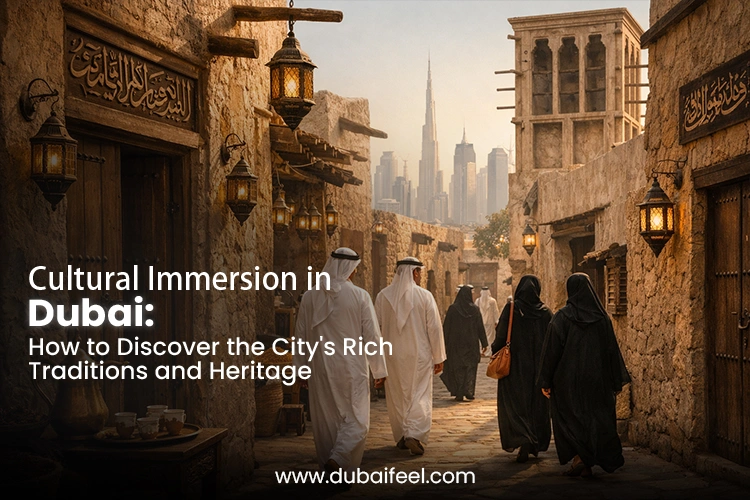

When most people think of Dubai, they think futuristic skyline, luxury hotels, and dazzling innovation. However, the real spirit of Dubai is hidden in its rich culture. There is more to Dubai than the shiny buildings and high-end shopping malls. There are old traditions and customs. With alleyways and wind towers in sight and souqs filled with colour and aroma, Dubai lets you enjoy a seamless experience between old and new.
Going to the city’s cultural heart gives us an insight into the resilience and creativity of its people and their entrepreneurial spirit, transforming a desert town into a city. How to Discover Dubai’s Cultural Side: This guide shows you how to explore old neighbourhoods, famous museums, and genuine local experiences for a deeper connection to the Emirate. Cultural immersion in Dubai will not only open doors to discovery but help you ‘feel’ a city where tradition meets modernity.
Also Read: From Desert to Skyscrapers: A Unique Dubai Experience Day Trip Itinerary
Al Fahidi Historical Neighbourhood: A Walk Through Time
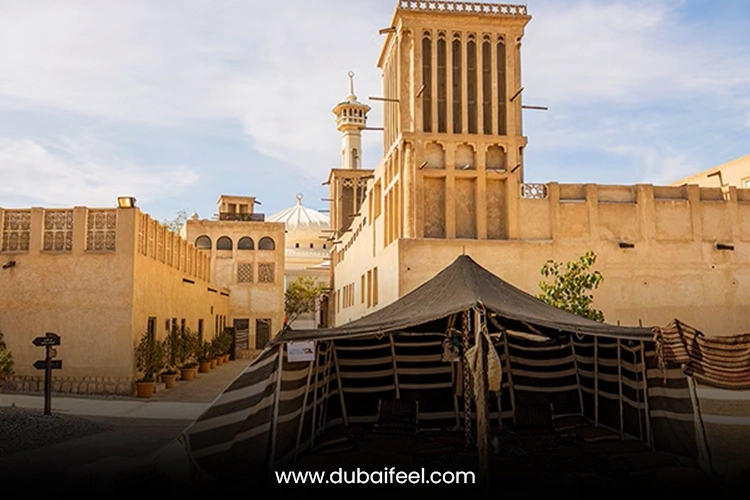
Al Fahidi Historical Neighbourhood, also referred to as Al Bastakiya, is a unique area that gives us a peek into Dubai’s pre-oil period and its engineering excellence. The wind towers in the neighbourhood were built to catch the wind and show how the Emiratis dealt with the heat. In comparison, the narrow walkways, coral-stone walls, and wood lattice hoods throw back to ancient times with intimacy. Roaming through these streets is like strolling through history, where merchants still traded pearls, spices, and textiles.
At Al Bastakiya, the beauty goes beyond architecture. The cultural experiences engage all the senses. Tourists can explore sites displaying modern and traditional art in local galleries, enjoy steaming hot Arabic coffee at the cafés designed in heritage style, or be a part of enticing workshops to learn calligraphy, weaving, and many more activities.
These experiences take a visit away from being passive to becoming an active part of Dubai’s cultural identity. Thus, it gives travellers an appreciation of how its craftsmanship, tradition, and history shaped the city we see today. Al Fahidi Historical Neighbourhood is an essential landmark in Dubai that highlights the city’s commitment to heritage and tradition.
Dubai Museum and Al Fahidi Fort: Chronicles of the Emirates
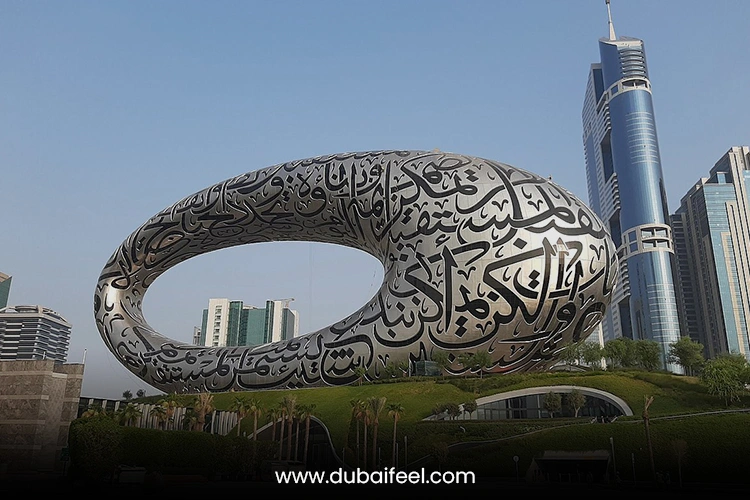
You can visit the Dubai Museum, located in the Al Fahidi Fort, which gives you an insight into the development of the Emirate. Al Fahidi Fort was built in 1787 AD, and it is one of the oldest structures in Dubai that is still standing. The museum turns the fort into a complex narrative space that immerses visitors in the history of the Emirate from a modest fishing and pearl-diving village to a bustling cosmopolitan city of innovation and luxury. The museum displays portrayals of daily life in Dubai in the past.
The city’s social, economic, and cultural roots come alive through traditional homes, old tools, and recreated souqs. Audiovisual displays highlight the city’s rapid progress from trade, sea travel, and desert life. Visiting the Dubai Museum illustrates Dubai’s enduring resilience and entrepreneurial spirit, uniting past and present. This destination offers meaningful insight into the Emirate.
Souqs: Vibrant Hubs of Tradition
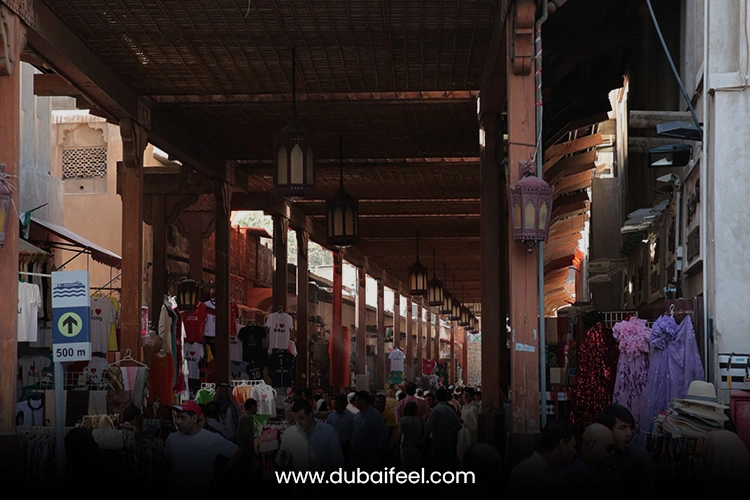
Exploring the souqs of Dubai is a colourful and immersive experience of the trading past and a place where tradition and craftsmanship meet commerce. The Gold Souq is a jewellery market where you will find gold jewellery that is intricately designed. It is undoubtedly a testament to the wealth and craftsmanship of the Emirates.
Each piece has a tale to tell, sharing cultural symbolism, heritage motifs, and the allure of metals and gems. On the other hand, the Spice Souq offers a feast for the senses. There are many saffron, cardamom, and dried herbs and spice piles that create a smell and sight that has been the essence of trade for centuries, along camels in the desert and ships on the sea.
These busy markets are not only places to shop but also places that are alive with history. Visitors can haggle like the merchants of old here, enabling people-to-people contact and a cultural exchange between generations. You’ll see the souqs’ narrow alleyways and wooden stalls as you roam down the streets, along with vibrant displays of pots and pigments. Everything you touch in the souqs draws you deeper into the rhythm of everyday Emirati life. When you visit these markets, walking is not just an ordinary activity, as it takes you on an experiential journey connecting modern-day travellers to the ancient trading spirit of Dubai.
Cultural Experiences: Food, Festivals, and Folklore
Beyond its buildings and markets, Dubai has significant cultural value in places that are often not appreciated. Through the food of the Emirates, one can understand the heritage of the region. Traditional food dishes offer bright insight into the history and values of the people in a very nuanced manner. Trying Machboos, a dish made with rice, spices, and meat or seafood, or eating luqaimat, sweet dumplings drizzled in date syrup, gives you a taste of food produced by the generations. The culinary experiences in Dubai show how connected the city is to its coastal and desert environment, highlighting the true essence of the ingenuity and adaptability of the Emirati cuisine.
The festivals and folklore events show the Emirates’ traditions. National Day celebrations, heritage festivals, and exhibitions of music, dance, poetry, and handicrafts create pride and a sense of belonging to the community and facilitate passing down knowledge from one generation to another. When people take part in these events, they will get to see living traditions.
From the rhythmic patterns of Ayallah dance to the falconry demonstrations, they show the importance of heritage in today’s world. Getting to know Dubai’s food, festivals, and folklore will give you a better appreciation for how the city holds on to its identity as it modernises at a rapid pace. The Emirate’s promotion of tourism can help embed tourism with cultural experiences related to the Emirate.
Conclusion: Linking the Past to the Present
Experiencing Dubai’s culture transforms travel into education and engagement. Visiting Al Fahidi, the Dubai Museum, the souqs, and local festivals, while tasting traditional foods, reveals the true essence of the Emirate. The interplay of tradition and innovation defines Dubai’s unique character, showing how the city’s heritage continues shaping life today.
Dubai’s cultural richness is a living story—a heritage celebrated and intertwined with innovation. To truly experience Dubai, seek its cultural heart: history, art, and creativity fused together. Dubai is more than luxury and skyscrapers; its soul lies in the treasures woven through its daily life.